

Ureaplasma Symptoms in Men: What to Know
Ureaplasma is a type of bacteria that can be found in the urinary and reproductive tracts of some healthy individuals. In many cases, it causes no symptoms and may not lead to any health concerns. However, some men may undergo testing when experiencing urinary symptoms, reproductive health concerns, or fertility-related issues.
Because symptoms associated with Ureaplasma can overlap with many other conditions, it is important to understand when testing may be appropriate and how it can fit into a broader medical evaluation.
What Is Ureaplasma?
Ureaplasma belongs to a group of bacteria that can naturally exist in the genital and urinary tract. The presence of Ureaplasma does not always indicate an infection or a medical condition that requires treatment.
In some situations, a health care provider may recommend testing as part of an evaluation for persistent symptoms, reproductive health concerns, or fertility assessments.
Testing can provide additional information that may help guide further clinical decision-making.
What Symptoms May Be Associated With Ureaplasma in Men?
Many men with Ureaplasma have no symptoms. When symptoms do occur, they are often similar to those associated with other urinary or reproductive conditions.
Symptoms that may prompt evaluation include:
- Burning or discomfort during urination
- Urethral irritation or discomfort
- Frequent urination
- Pelvic discomfort
- Discomfort during ejaculation
- Ongoing reproductive or fertility concerns
These symptoms can be associated with many different medical conditions. Laboratory testing is often one component of a more comprehensive evaluation.
When Should Men Consider Testing?
A health care provider may recommend Ureaplasma testing in certain circumstances, particularly when symptoms persist or when additional information is needed during a diagnostic workup.
Testing may be considered for:
- Men experiencing persistent urinary symptoms
- Individuals undergoing fertility evaluations
- Patients with ongoing reproductive health concerns
- Men whose provider recommends additional laboratory testing
- Individuals seeking further evaluation after other causes have been investigated
The decision to pursue testing should be based on individual circumstances and provider guidance.
How Is Ureaplasma Testing Performed?
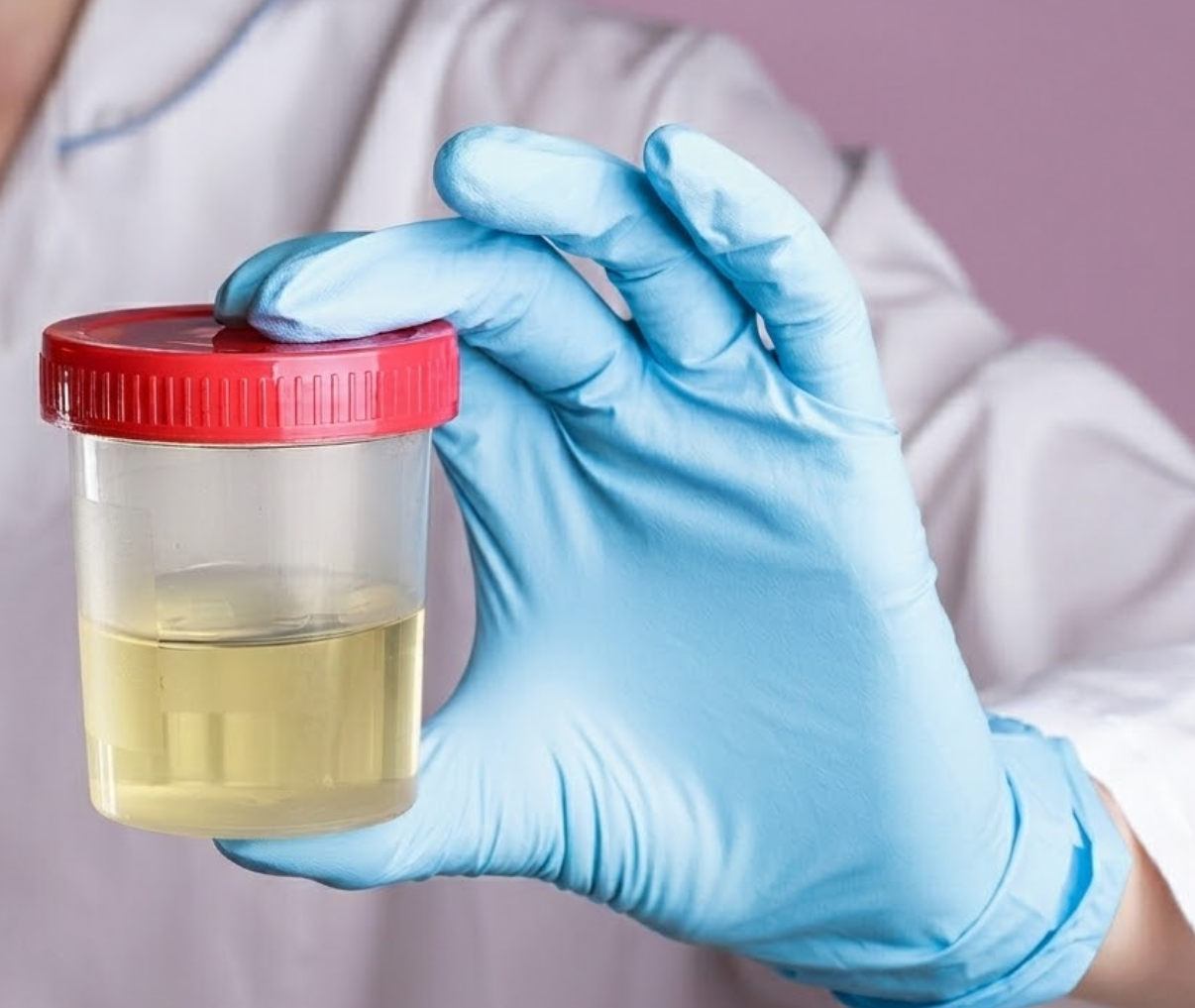
Ureaplasma testing uses specialized laboratory methods to detect the presence of the bacteria.
The type of sample collected may vary depending on the testing method used and the clinical situation being evaluated. A health care provider can explain the testing process and help interpret the results within the context of symptoms and medical history.
As with any laboratory test, results are most meaningful when reviewed alongside other clinical information.
Schedule a Ureaplasma Test with LabFinder
LabFinder makes it easy to schedule Ureaplasma testing online at trusted laboratories and testing centers.
Experiencing persistent urinary symptoms, reproductive health concerns, or undergoing fertility evaluation? Schedule a Ureaplasma Test Online.
With LabFinder’s insurance-first approach, users can compare testing locations, review appointment availability, and maximize the health benefits they already pay for through insurance. Depending on insurance coverage, medical necessity, and plan details, some users may have low or no out-of-pocket costs.
LabFinder also provides convenient scheduling and secure access to results, helping simplify the testing process from appointment booking through result delivery.
This information is educational and is not a substitute for professional medical advice. A health care provider can help determine whether Ureaplasma testing is appropriate based on individual circumstances. LabFinder does not provide medical advice. Coverage and out-of-pocket costs may vary based on insurance plan, medical necessity, and testing location.


LabFinder Editorial Team
The LabFinder Editorial Team is behind The Illuminator and The Insider, LabFinder’s consumer and business blogs.
Dr.Robert Segal
Dr. Segal is CEO and co-founder of LabFinder, as well as a board-certified cardiologist. He began practicing medicine in 2002 and has founded several businesses, including Medical Offices of Manhattan and Manhattan Cardiology.