SAVE 20% on your first doctor’s order order. Use code MM20 at cart
A full-body PET/CT scan is a powerful imaging test that combines Positron Emission Tomography (PET) and Computed Tomography (CT) to provide both functional and anatomical insights into your body. This scan uses a small amount of radioactive tracer—usually fluorodeoxyglucose (FDG)—to highlight areas with high metabolic activity, which can indicate cancer, inflammation, or infection. The CT scan captures detailed cross-sectional images, while the PET scan shows how tissues and organs function. This dual technology makes the full-body PET/CT scan one of the most accurate tools for detecting and staging cancer, monitoring treatment, and spotting recurrences.
This scan is ideal for people with confirmed or suspected cancer, including those with lymphoma, lung cancer, or colorectal cancer. It's also recommended if you're undergoing chemotherapy or radiation and need to monitor how your body is responding. Doctors may also order a PET/CT scan for neurological issues like Alzheimer’s or Parkinson’s, or for heart conditions that require evaluation of blood flow and inflammation. If you've had a bone marrow transplant, plan to undergo major surgery, or are participating in a clinical trial, this test can offer crucial diagnostic support.
A full-body PET/CT scan may be done right after a cancer diagnosis to determine how far the disease has spread. It’s also commonly used mid-treatment to evaluate progress or after therapy to check for recurrence. If symptoms worsen or return, this scan helps identify the underlying issue. People with a strong family history of cancer or unclear results from other tests may also be advised to get this scan as part of their care plan.
You’ll be asked to avoid food and strenuous activity before your appointment. At the imaging center, a technologist injects a radioactive tracer into a vein and asks you to rest while it circulates. After 30 to 60 minutes, you’ll lie on a motorized table that moves through the scanner. The combined PET and CT scan usually takes about 2 to 4 hours in total. After the scan, you can resume normal activities and should drink lots of water to flush out the tracer.
This scan helps diagnose and monitor many medical conditions. It’s especially accurate for detecting cancers such as breast, lung, prostate, and melanoma. It also helps assess brain function for epilepsy or dementia and checks blood flow in cardiovascular disease. It can locate infections, detect autoimmune diseases like lupus or rheumatoid arthritis, and even investigate chronic pain or unexplained inflammation when other tests fall short.
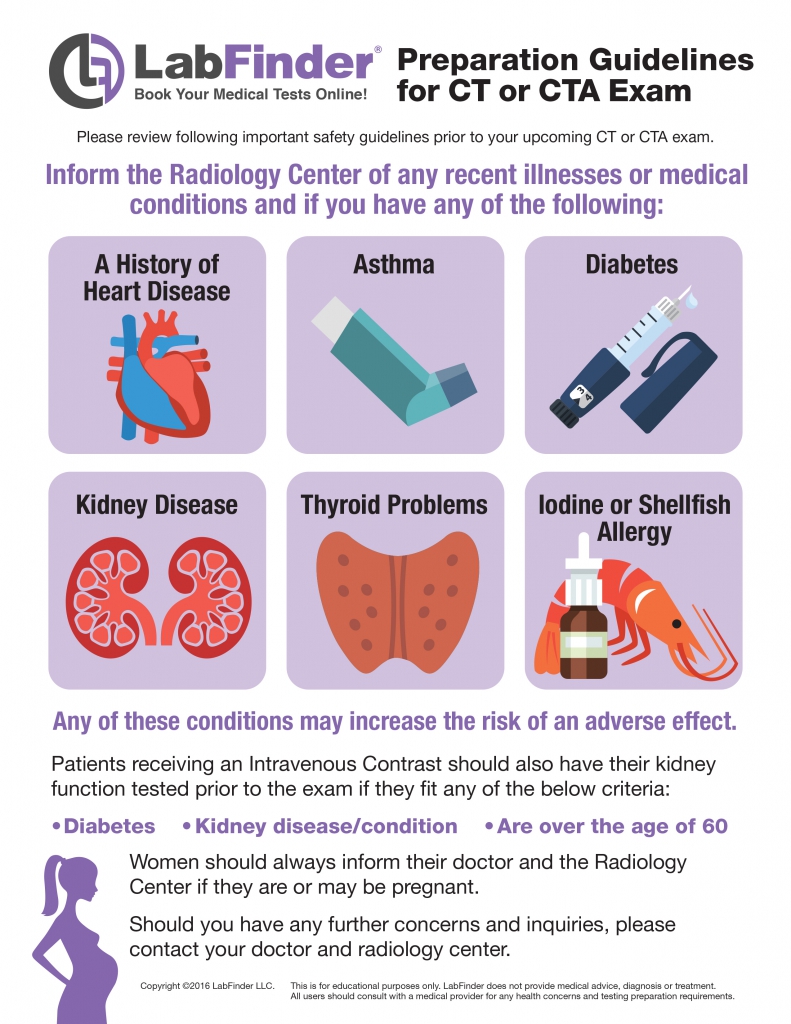
While generally safe, this scan does involve exposure to low-dose radiation from the CT scan and the radioactive tracer. Risks include minor allergic reactions to the contrast dye, potential effects on kidney function, and rare complications during pregnancy. False positives or negatives are possible, so it’s important to interpret the scan results with a qualified medical professional.
To ensure accurate results, follow fasting instructions provided by your healthcare provider—typically no food for at least 6 hours prior. Wear comfortable clothing without metal and inform your doctor about all medications, allergies, or medical conditions. Avoid exercise 24 hours before the scan and plan to stay well-hydrated before and after your appointment.
If your doctor is exploring diagnostic options, other imaging tests like MRIs, bone scans, or CT-only scans may be considered. However, PET/CT offers the advantage of combining structural and functional imaging in one session, making it especially useful for detecting and evaluating cancer and complex medical conditions.
Full-body PET/CT scans are among the most accurate imaging tools for cancer screening and staging. Their ability to pinpoint active disease areas provides more actionable insights than imaging methods alone. However, accuracy can vary depending on patient movement, scan quality, and the nature of the disease, so results must be reviewed alongside other diagnostic data.
If your scan reveals unexpected findings, the next step is to consult your physician. You may need additional tests, referrals to specialists like oncologists or cardiologists, or a new treatment plan. Staying informed and proactive in follow-ups is crucial. LabFinder makes it easy to locate top-rated facilities and specialists in your area for timely care and follow-through.
Looking to schedule a full-body PET/CT scan near you? Use LabFinder to book appointments online with participating imaging centers that accept insurance and offer competitive pricing. Search for “full body PET/CT scan near me” and compare available locations instantly—no phone calls or paperwork needed. Take control of your health today by finding and booking your scan with LabFinder.
Book on LabFinder: find a lab today on our lab finder and request a test doctor guided.

The information on this page and throughout the LabFinder website and mobile app is for general informational purposes only. It is not intended to serve as medical advice, diagnosis, or treatment. For personalized medical advice or specific health concerns, please consult your healthcare provider directly.



A full-body PET/CT scan is an advanced imaging test that combines positron emission tomography (PET) and computed tomography (CT) to detect cancer, infections, and other internal health issues. This scan uses a radioactive tracer—commonly FDG—to highlight areas of abnormal metabolic activity in the body. The PET scan shows how tissues and organs are functioning, while the CT scan provides a detailed picture of internal structures. Together, the images offer a comprehensive view for diagnosing and monitoring serious conditions like cancer, heart disease, and neurological disorders.
Doctors may recommend a full-body PET/CT scan for people diagnosed with cancer, those suspected of having cancer, or patients needing treatment monitoring. It is also used to detect cancer recurrence, assess brain disorders like Alzheimer’s disease, evaluate heart conditions, or locate hidden infections and inflammations. If you're scheduled for surgery or participating in clinical trials, this scan may be part of your medical evaluation. Individuals with high cancer risk or ongoing symptoms that other imaging tests cannot explain may also benefit from this test.
Timing for a full-body PET/CT scan depends on your condition and treatment plan. It is often done after a cancer diagnosis to check for metastasis or during ongoing cancer treatment to evaluate effectiveness. The scan is also used after treatment to monitor recurrence. In surgical planning, it helps identify the precise location and size of tumors. Patients with persistent or worsening symptoms, high-risk medical history, or inconclusive test results may be advised to undergo this scan for further evaluation.
Before the scan, you may be asked to fast and avoid exercise to ensure accurate results. A small amount of radioactive tracer is injected into a vein and allowed to circulate for about 30–60 minutes. You’ll lie on a scanning table that moves through the PET/CT machine while images are taken. The scan is painless, but you’ll need to stay still for clear imaging. The entire appointment typically lasts 2 to 4 hours from start to finish, including preparation and post-scan instructions.
This scan is widely used to detect various cancers such as lung, breast, lymphoma, and colorectal cancer. It can also help identify neurological conditions like Parkinson’s or brain tumors, and evaluate cardiac issues like blocked arteries or damaged heart muscle. It is effective in pinpointing infections, inflammatory diseases, and autoimmune disorders such as lupus or sarcoidosis. The scan can also be used in post-transplant monitoring and to investigate unexplained chronic pain or fatigue.
While generally safe, this test involves low levels of radiation from both the CT scan and radioactive tracer. The risk of radiation-related complications is minimal for most people, but repeated scans may pose a cumulative risk. Rarely, patients may have allergic reactions to the contrast material or experience kidney issues from the dye. The scan is not recommended during pregnancy unless absolutely necessary due to potential fetal exposure. Some may also feel discomfort from lying still or mild anxiety during the scan.
To prepare for the scan, follow your doctor’s instructions on fasting—usually avoiding food for 4–6 hours. Stay well hydrated before and after the test. Inform your provider about any medications, allergies, or existing health conditions. Remove metal jewelry or clothing items to avoid image distortion. Wear comfortable clothes and consider arranging transport if you feel weak after the procedure. Avoid strenuous activity prior to the scan, as this may affect the results.
Other diagnostic imaging options include MRI (for soft tissues), CT scans (for detailed structure), ultrasounds (for real-time imaging), and bone scans (to detect fractures or metastasis). Functional MRI (fMRI) and SPECT scans also provide brain activity or metabolic information. Your doctor may suggest these alternatives if a PET/CT scan isn’t suitable or needed in combination for a clearer diagnosis.
Full-body PET/CT scans are known for their high accuracy in detecting cancer, inflammation, and other abnormalities. The combination of functional and anatomical data helps pinpoint issues early, even before symptoms appear. Accuracy depends on the scanner quality, patient preparation, and ability to remain still. False positives and negatives are possible but rare with proper technique. Always consult your doctor for accurate interpretation of results.
If your scan shows concerning findings, schedule a follow-up with your physician. You may need additional imaging or lab tests to confirm the diagnosis. Based on the results, your doctor may refer you to a specialist, start treatment, or monitor your condition over time. It’s important to stay informed, follow medical advice, and maintain regular check-ups for long-term health management.
You can easily book a full-body PET/CT scan near you with LabFinder. Use our platform to locate accredited imaging centers that accept insurance and provide timely appointments. Whether you’re searching for “full body PET CT scan near me” or “PET CT scan for cancer screening,” LabFinder connects you to trusted diagnostic facilities to support your health journey.
Booking a Full-Body PET/CT Scan is easy using LabFinder. Just choose your location and enter your insurance information to find the closest Full-Body PET/CT Scan near you.
To make a same-day appointment for a Full-Body PET/CT Scan, just choose your location and your insurance information to find the closest Full-Body PET/CT Scan location near you. If there's availability for a same-day appointment at a nearby lab location, then you will be able to book it easily through LabFinder.
LabFinder allows you to easily schedule a Full-Body PET/CT Scan. You can search by location and insurance to easily book a Full-Body PET/CT Scan near you.
LabFinder allows you to easily make an appointment for a Full-Body PET/CT Scan online. To make an appointment for a Full-Body PET/CT Scan online, just choose your location and your insurance information to find the closest Full-Body PET/CT Scan near you.
Yes, you can get a Full-Body PET/CT Scan without insurance. LabFinder allows you to search and select "Self-Pay" when booking a Full-Body PET/CT Scan. While pricing for the test may not be immediately available, please check by calling the lab company directly for pricing.


