What is a CT Scan?
A CT Scan, also known as Computed Tomography, CAT Scan, or computerized axial tomography, is a medical imaging procedure that uses X-rays and computer technology to create detailed cross-sectional images of the body. This non-invasive test provides comprehensive views of internal organs, bones, soft tissues, and blood vessels, allowing healthcare providers to diagnose a wide range of conditions with high precision. Unlike traditional X-rays, CT scans offer three-dimensional images, making them invaluable for identifying abnormalities, guiding biopsies, and planning surgeries.
Who Can Take the CT Scan?
A CT Scan is recommended for individuals who:
- Have Persistent or Severe Symptoms: Symptoms such as unexplained pain, persistent cough, or abnormal bleeding may necessitate a CT scan to identify the underlying cause.
- Are Diagnosing Infections: Conditions like pneumonia, abscesses, or other severe infections can be accurately diagnosed with a CT scan.
- Have Suspected Cancer: CT scans are crucial in detecting tumors, determining their size and location, and monitoring the effectiveness of cancer treatments.
- Require Detailed Bone Imaging: Complex fractures, spinal injuries, or bone diseases can be precisely evaluated using CT scans.
- Need Pre-Surgical Planning: Surgeons use CT scans to plan and guide complex surgical procedures, ensuring better outcomes.
- Have Vascular Conditions: Issues like aneurysms, blood clots, or blocked arteries can be effectively visualized with a CT scan.
- Are Monitoring Chronic Conditions: Conditions such as chronic kidney disease or liver disease may require regular CT scans for ongoing assessment.
- Are Pregnant with Specific Concerns: In certain high-risk pregnancies, a CT scan may be necessary to evaluate fetal development or maternal health, though it is generally avoided due to radiation exposure.
What are the types of CT Scan?
When Can the CT Scan Be Performed?
The timing for a CT Scan depends on various factors, including the severity of symptoms, medical history, and specific health concerns:
- Immediate Evaluation: In emergency situations, such as trauma or acute abdominal pain, a CT scan can quickly identify critical issues.
- Routine Screening: For individuals at high risk of certain cancers or vascular diseases, regular CT scans may be part of their screening regimen.
- Pre-Treatment Assessment: Before initiating treatments like chemotherapy or radiation therapy, a CT scan helps in planning the appropriate approach.
- Follow-Up Imaging: After treatment for conditions like cancer, CT scans monitor for recurrence or assess the effectiveness of ongoing therapies.
- Diagnostic Clarification: When other imaging tests like X-rays or MRIs are inconclusive, a CT scan provides additional details to clarify the diagnosis.
- Monitoring Chronic Conditions: For long-term management of diseases such as kidney stones or liver cirrhosis, periodic CT scans track disease progression.
Procedure and Duration
The CT Scan procedure is efficient and typically completed within a short timeframe:
- Preparation: Depending on the type of CT scan, you may need to follow specific instructions, such as fasting or drinking a contrast agent. Always follow your healthcare provider's guidelines.
- Positioning: You will lie down on a motorized table that slides into the CT scanner. Cushions or straps may be used to help you remain still during the scan.
- The Scan: The CT machine rotates around your body, taking multiple X-ray images from different angles. A computer then processes these images to create detailed cross-sectional views.
- Contrast Material: In some cases, a contrast dye may be injected into a vein or taken orally to enhance the visibility of certain organs or blood vessels.
- Duration: The entire procedure usually takes between 10 to 30 minutes, depending on the area being scanned and whether contrast material is used.
Related Conditions or Illnesses
A CT Scan helps diagnose and monitor a variety of health conditions, including:
- Cancer: Detects tumors, determines their size and location, and monitors response to treatment.
- Traumatic Injuries: Evaluates internal injuries, fractures, and bleeding resulting from accidents or trauma.
- Infections: Identifies abscesses, severe pneumonia, and other significant infections.
- Vascular Diseases: Diagnoses aneurysms, blood clots, and blocked arteries.
- Neurological Conditions: Detects brain tumors, hemorrhages, and other brain abnormalities.
- Digestive Disorders: Assesses conditions like appendicitis, diverticulitis, and inflammatory bowel disease.
- Bone Disorders: Identifies complex fractures, spinal injuries, and bone tumors.
- Lung Diseases: Diagnoses conditions such as emphysema, fibrosis, and lung cancer.
Risks
While CT Scans are generally safe, there are some potential risks involved:
- Radiation Exposure: CT scans use ionizing radiation, which can increase the risk of cancer over long-term exposure. The risk is minimal with a single scan but can accumulate with multiple scans.
- Allergic Reactions to Contrast Material: Some individuals may experience allergic reactions to the contrast dye, ranging from mild itching to severe anaphylactic reactions.
- Kidney Damage: The contrast dye can affect kidney function, especially in individuals with pre-existing kidney conditions.
- Pregnancy Risks: Radiation exposure can harm the developing fetus, making CT scans generally avoided during pregnancy unless absolutely necessary.
- Discomfort: Remaining still during the scan can cause discomfort, particularly for those with claustrophobia or difficulty lying flat.
- False Positives/Negatives: CT scans can sometimes produce inaccurate results, leading to unnecessary additional tests or missed diagnoses.
Preparations
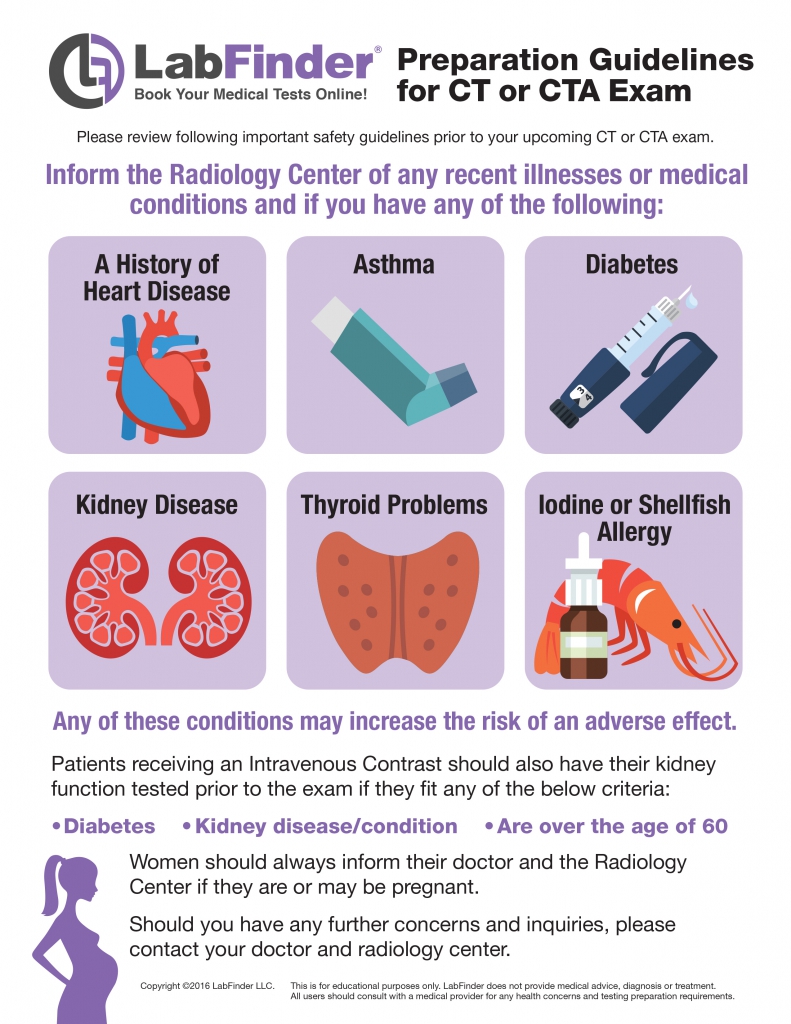
Preparing for a CT Scan involves a few simple steps to ensure accurate results and minimize risks:
- Follow Fasting Instructions: If your CT scan requires a contrast agent, you may need to fast for a certain period before the test.
- Hydrate Well: Drinking plenty of water before the scan can help if you need to take contrast material orally.
- Inform Your Provider: Let your healthcare provider know about any allergies, kidney problems, or recent illnesses.
- Remove Metal Objects: Take off jewelry, watches, and any metal clothing accessories to prevent interference with the imaging.
- Wear Comfortable Clothing: Opt for loose-fitting clothes without metal fasteners. You may be asked to change into a hospital gown.
- Arrange Transportation: If you receive sedation or contrast material through an IV, you may need someone to drive you home after the scan.
Other Similar Tests
There are several other imaging tests related to CT scans, each with its specific uses:
- MRI (Magnetic Resonance Imaging): Uses magnetic fields and radio waves to create detailed images, particularly useful for soft tissues without radiation exposure.
- Ultrasound (Sonogram): Utilizes sound waves to produce images, commonly used for pregnancy, abdominal, and pelvic examinations.
- X-Ray: Provides basic images of bones and certain organs but lacks the detailed cross-sectional views of CT scans.
- PET Scan (Positron Emission Tomography): Combines CT imaging with metabolic information to detect cancer and monitor treatment.
- Bone Scan: Uses radioactive tracers to detect bone abnormalities, such as fractures, infections, or tumors.
- Fluoroscopy: Real-time X-ray imaging used during certain diagnostic and therapeutic procedures.
How Accurate is a CT Scan?
A CT Scan is highly accurate in diagnosing a wide range of conditions due to its ability to produce detailed cross-sectional images. The accuracy depends on factors such as the quality of the equipment, the skill of the technician, and the patient's ability to remain still during the procedure. Advanced CT scanners offer higher resolution images, improving diagnostic capabilities. However, no imaging test is perfect; factors like patient movement, incorrect positioning, or overlapping structures can affect the clarity and accuracy of the images. Always consult with your healthcare provider to interpret the results correctly and determine the next steps.
What Should I Do If I Find Something Concerning on a CT Scan?
If your CT Scan results indicate any abnormalities, here's what you should do next:
- Consult Your Healthcare Provider: Discuss the findings in detail to understand their implications and the necessary next steps.
- Schedule Follow-Up Tests: Additional imaging or diagnostic tests may be needed to confirm and further investigate the findings.
- Consider a Specialist Consultation: Depending on the abnormality, you may need to consult with a specialist, such as an oncologist or a cardiologist.
- Develop a Treatment Plan: Work with your healthcare provider to create a plan to address the identified condition, which may include medications, surgery, or lifestyle changes.
- Stay Informed: Educate yourself about the condition and potential treatments to make informed decisions about your health.
- Seek Support: Reach out to support groups or counseling services if you're dealing with a serious diagnosis or significant health changes.
Book CT Scan Using LabFinder
Booking your CT Scan is now easier than ever with LabFinder. LabFinder allows you to locate participating labs and imaging centers near you, ensuring prompt and reliable service. Many of these labs accept insurance, making the process hassle-free. Schedule your CT Scan online and save time by avoiding long waits or multiple phone calls.
Conclusion
A CT Scan is a powerful diagnostic tool that plays a crucial role in modern healthcare. By understanding what the scan entails, who should take it, and the procedures involved, you can make informed decisions about your health. Whether you need to diagnose a serious condition, monitor ongoing treatment, or plan for surgery, a CT Scan provides the detailed information necessary for effective medical care. Don’t wait—book your CT Scan near you with LabFinder today and take control of your health journey.
Book on LabFinder: find a lab today on our lab finder and request a test doctor guided.